Consumer Price Index, May 2026
July 15, 2026
The Consumer Price Index (CPI) increased 3.2% year over year in May, up from a 2.8% gain in April.
Higher prices for gasoline continued to drive the acceleration in the headline CPI in May. However, excluding gasoline, the CPI still rose at a faster pace year over year in May (+2.2%) compared with April (+2.0%).
The CPI was up 1.0% month over month in May. On a seasonally adjusted monthly basis, the CPI increased 0.5%, largely due to a rise in the recreation, education and reading and transportation components.
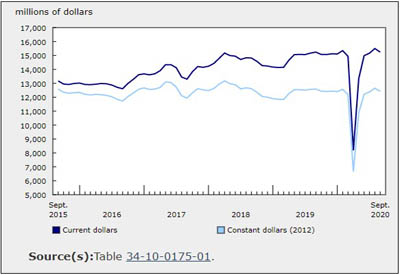
Chart 1
The 12-month change in the Consumer Price Index (CPI) and CPI excluding gasoline

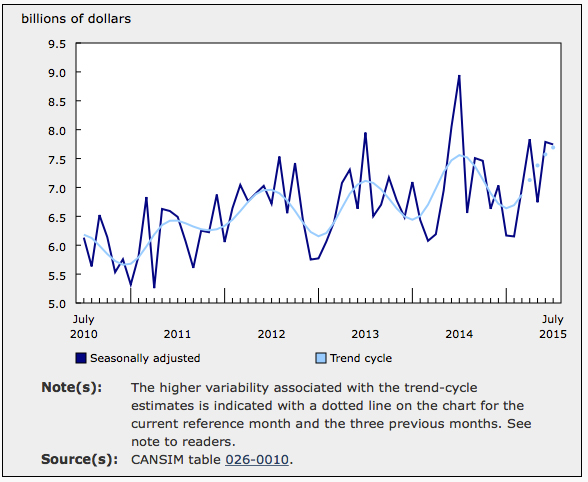
Chart 2
Four of the eight major components accelerate in May

Gasoline prices continue to drive acceleration of Consumer Price Index
On a year-over-year basis, gasoline prices rose at a faster pace in May (+33.2%) compared with April (+28.6%). Supply uncertainty stemming from the conflict in the Middle East, specifically the closure of the Strait of Hormuz, put upward pressure on gasoline prices for the third consecutive month. Consumers paid the highest prices for gasoline since June 2022, when Russia’s invasion of Ukraine created supply uncertainty.
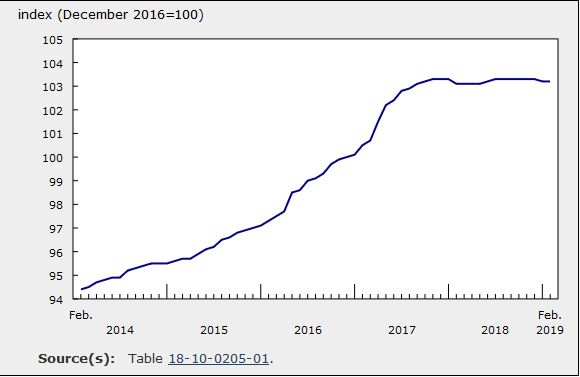
Chart 3
Supply uncertainty continues to apply upward pressure on prices for gasoline

Prices accelerate for travel tours and air transportation
Year over year, consumers paid more for travel tours in May (+0.7%) compared with April (-11.0%). On a year-over-year basis, prices for air transportation rose 7.4% in May, following a 1.7% decline in April. Airlines are experiencing higher operational costs, notably for jet fuel.
Prices grow for fresh fruit and fresh vegetables in May
Prices for fresh fruit rose at a faster pace year over year in May (+5.3%) compared with April (-0.5%). The acceleration was mostly driven by berries and grapes.
On a year-over-year basis, prices for fresh vegetables increased 9.0% in May, following a 4.1% rise in April. The upward movement was attributed to higher prices for broccoli, cauliflower, tomatoes and lettuce. Tomato prices rose 45.2% in May due to supply contractions in Mexico, stemming from poor weather and a reduction in planted acreage following the implementation of US tariffs.
On a month-over-month basis, prices for fresh vegetables rose 5.5% in May following a decline of 3.9% in April. This is the largest monthly May increase since 2008 and is attributed to reduced supply and higher fuel costs.
Collectively, higher prices for fresh fruit and fresh vegetables contributed to an acceleration in inflation for food purchased from stores, rising 4.3% year over year in May, the 16th consecutive month it has outpaced headline inflation on a year-over-year basis.
Chart 4
Consumers pay more for fresh fruit and vegetables

Shelter prices continue to decelerate year over year
Year over year, shelter prices rose 1.7% in May after increasing 1.8% in April. The homeowners’ replacement cost index (-2.5%) declined on a year-over-year basis for the 13th consecutive month. Other owned accommodation expenses, which include commissions on the sale of real estate, declined 2.1% in May following a 2.7% price decline in April. Additionally, the mortgage interest cost index declined in May (-0.2%) compared with April (-0.1%), marking the 33rd consecutive month of year-over-year price deceleration for the index.
Year-over-year price growth for rent slowed slightly in May (+3.5%) compared with April (+3.6%), marking the lowest rent inflation since January 2022.
Chart 5
Shelter prices ease slightly in May

Price growth for durables remain unchanged in May
On a year-over-year basis, price growth was unchanged for durable goods, at 1.9% in both April and May.
Applying upward pressure on the index, prices for computer equipment, software and supplies rose 3.9% on a year-over-year basis in May following a 0.2% decline in April. Prices for Random Access Memory (RAM) and solid-state drives (SSDs), both key inputs in computers, have risen. Heightened demand from artificial intelligence data centres and limited production capacity have both contributed to the price increase.
At the same time, price growth slowed for other durable goods, including tools and other household equipment (+1.1%) and purchase of passenger vehicles (+2.5%) and declined at a faster pace for household appliances (-5.7%), on a year-over-year basis.
Chart 6
The computer equipment, software and supplies index increases on a year-over-year basis for the first time since 2020

Regional highlights
Year over year, prices rose at a faster pace in all provinces in May compared with April. The main driver in the acceleration for all provinces was gasoline, which has a larger impact in Atlantic Canada due to higher expenditure shares.