Measuring the Impact: EFC Addresses the Carbon Footprint of its 2026 Annual Industry Conference
October 7, 2026
Each year, EFC’s Annual Industry Conference brings members of Canada’s electrical and automation industry together from across the country. Following this year’s conference in Halifax, Electro-Federation Canada (EFC) has completed an assessment of the greenhouse gas emissions associated with hosting its largest annual gathering.
The assessment considered attendee travel, hotel stays, ground transportation and energy use at the Halifax Convention Centre, calculating a total footprint of 257 metric tonnes of CO₂-equivalent emissions. Airline travel represented the largest share at 199 metric tonnes.
With the support of Carbon Neutral Sponsor Hammond Power Solutions (HPS), EFC will offset the calculated emissions through a Canadian carbon offset project.
From Measurement to Action
The 2026 assessment builds on work that began with EFC’s 2025 Annual Industry Conference and provides greater insight into the environmental impact associated with bringing members together from across Canada and the United States.
With HPS’s support, the 2026 emissions will be offset through Carbonzero’s Ontario Greenhouse Biomass to Energy Project. Located in Leamington and Flamborough, Ontario, the project reduces greenhouse gas emissions through the use of biomass to offset non-renewable thermal energy production.
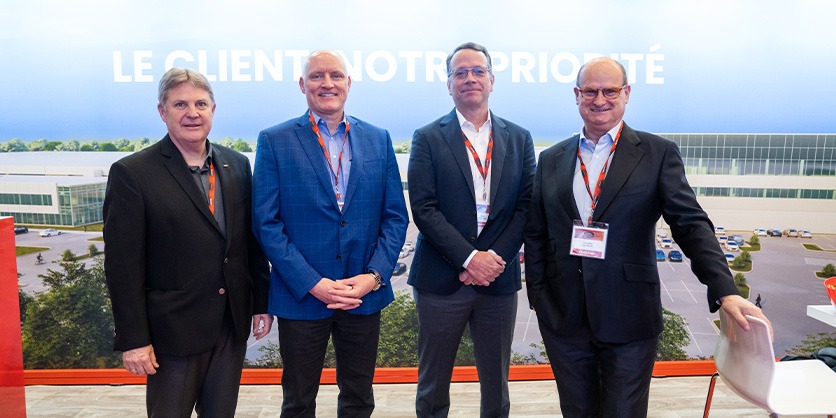
“We are proud o to be working alongside EFC through the Carbon Neutral Sponsorship. Over the past two years, our support has helped offset more than 2 million air miles, 64,000 ground transportation miles and 3,000 hotel nights, offsetting nearly 389 metric tonnes of greenhouse gas emissions,” said Ted Simpson, Vice-President of Marketing, Hammond Power Solutions.
Beyond offsetting the calculated emissions, EFC incorporated practical measures throughout the Halifax conference, including walkable conference hotels, consolidated transportation for select activities, digital materials and paperless check-in, and recycling and composting programs. Approximately 200 surplus meals were also donated to The Salvation Army.
The carbon footprint assessment provides EFC with a clearer picture of the impact associated with its Annual Industry Conference and a benchmark to help inform planning for future events.