CSA Report: Canadian Women’s Experiences with Personal Protective Equipment in the Workplace
January 16, 2023
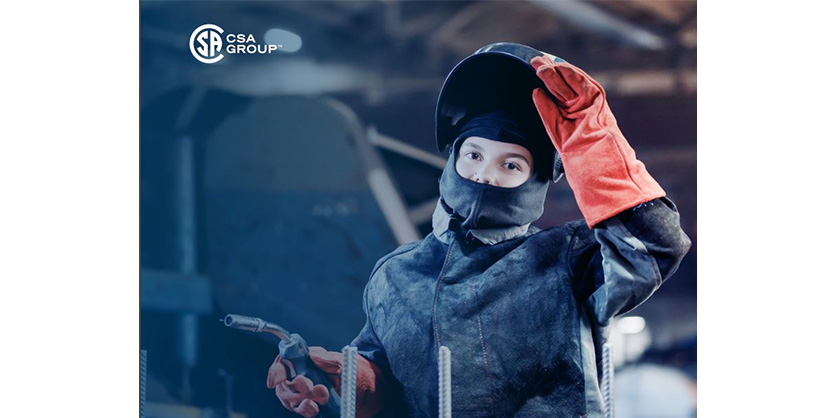
This CSA report looks at the experiences of women using personal protective equipment in the workplace, finding gaps that need to be addressed in order to improve safety for women. CSA explores how physical differences between men and women have been considered in the development of PPE as well as PPE standards in Canada.
“This report synthesizes the findings of a review of the scientific and grey literature, an environmental scan of PPE regulations, key informant interviews, and a survey of nearly 3000 Canadian women who use PPE in their daily job functions,” explains the executive summary.
Ill fitting PPE is can cause injuries that would otherwise be avoided. Women often have to alter PPE so it fits properly which can cause unnecessary hazard, or they have to independantly source PPE specifically made for women out of their own pocket.
Here are the main findings of the CSA Report:
- Research shows that anthropometric differences exist between the sexes and that women are not merely scaled-down versions of men. The significance of this is two-fold: (a) protective clothing and other PPE that are designed based on men’s proportions cannot be simply scaled down linearly to fit women; and (b) good quality anthropometric data representative of the contemporary working population are critical for the inclusive design of PPE.
- Canadian regulations do not consistently require that selected PPE provide protection appropriate to the hazards and that it fit the user properly.
- There is no consistency in the PPE standards and editions that are referenced in regulations across the country.
- Functional fit and comfort are two of the most important parameters in the design and usage of PPE. Canadian women identified these factors – along with trust that their PPE will protect them and allow them to move around to do their job – as key to satisfaction with their PPE. However, a significant number of women reported experiencing one or more problems with their PPE.
- The three most common problems the Canadian women surveyed have with their PPE are that
- it does not fit properly (50%);
- it is uncomfortable to wear (43%); and
- the selection of women-specific PPE is inadequate (35%).
“To try and address these issues, women are paying out of pocket to source PPE with a better fit or that is specifically designed for women, and modifying or altering their PPE for safety, comfort, and improved fit,” CSA explains.
The Canadian women surveyed reported that:
- they use PPE that is the wrong size at least some of the time (58%);
- they don’t wear all the required PPE at work because of issues with fit (28%); and
- they use a workaround to make their PPE fit (38%).
“Workarounds included using rubber bands, safety pins, and/or duct tape to shorten fall-arrest gear, secure work gloves, shorten sleeves, and prevent their pant legs from tripping them. Nearly 40% reported experiencing an injury or incident that they perceived to be related to their PPE.”
Go HERE to download the report