Eaton and Nissan Sign MOU to Develop Energy Storage and Control Systems
Dec 15 2015
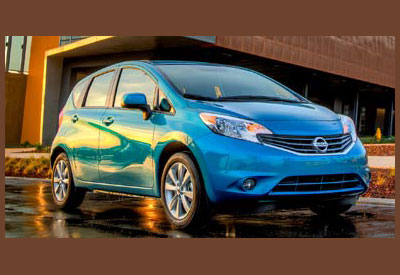
Power management company Eaton and automotive manufacturer intend to explore the feasibility of jointly developing, industrializing and commercializing energy storage and control systems, leveraging the expertise and industrial assets from both companies. The partnership will include joint research, proof of concepts and business models to create commercially viable energy storage and control applications.
Integrating intermittent renewable energy sources into the grid while maintaining grid stability,decarbonizing developed economies, and helping developing nations’ economic and energy growth without a dramatic increase in CO2 emissions are all critical issues today, the two companies say.
An affordable method to enable widespread access to clean energy in all regions of the world is a vital element in the list of steps needed to mitigate climate change. The combination of power electronics and control software, renewable energy and stationary storage into a single, packaged system that can be installed in diverse environments is required to enable this.
With years of experience in battery manufacturing, and over 50 years of experience in power electronics respectively, Nissan and Eaton are primed to take on the challenge and this landmark partnership, using tried and tested technology, is making that possible today.
According to Robert Lujan, Electric Vehicle Director, Nissan Global, “The batteries as power units far outlast the typical life of a car. Having produced our own electric vehicle batteries at our leading manufacturing sites for many years, this scheme will allow us to expand the life of our existing 24kWh product therefore reducing the need to use additional resources from the planet to produce new batteries.”
Adds Cyrille Brisson, Vice President Marketing for Eaton’s Electrical business in EMEA, “These systems will really facilitate the wider adoption and deployment of renewable generation; giving people greater control over their energy supply and consumption.
“The multiple benefits of such a unit include continuity of supply, increased grid stability and efficiency, avoidance of peak energy tariffs and reducing the reliance on expensive fuels like diesel to compensate for no-grid or poor-grid situations,” Brisson says.